
What managers need to know about GenAI?
Generative AI is transforming industries and is expected to bring trillions of dollars in economic value. Many organizations have already started their AI journey. But how can managers and executives assess GenAI projects and steer them towards success? They aren’t expected to be engineers, but they need to understand the core concepts of GenAI, ask the right questions, recognize key opportunities, be aware of the risks, and learn to evaluate GenAI projects objectively.

AI Search in Kuwait: Which Brands Are Winning Across Telecom, Food Delivery, and Payments?
We analyzed the AI visibility of leading Kuwaiti brands on ChatGPT and Gemini across three sectors: Food Delivery, Telecommunications, and Online Payments. The study highlights the top-performing brands in each category and compares their performance against competitors. Using BuzzSense, companies can better understand and optimize their presence in AI assistants, improving their visibility in the growing landscape of AI search (GEO).

When AI Makes Up Links: Measuring URL Hallucinations in ChatGPT and Gemini
AI assistants like ChatGPT and Gemini generate a surprising number of fake links. We studied more than 100,000 generated URLs and analyzed them across different models, languages, sectors, intents, and prompting techniques. The results reveal unexpected patterns: English prompts hallucinate more than Arabic ones, smaller models can outperform larger ones, and advanced prompting techniques like chain-of-thought have little impact on hallucination.

Why AI Brand Visibility Is Becoming a New Marketing Metric
AI assistants are changing how people discover brands. For years, marketers focused on traditional search visibility. If your website ranked well in search engines, your brand had a strong chance of being discovered. But that discovery process is now shifting. Millions of people ask AI assistants the same questions they once typed into Google. They ask which tools to use, which services are trustworthy, and which brands solve a particular problem best. Instead of scanning a list of links, they receive a direct answer. Those answers increasingly shape what people research, compare, and buy. And this shift introduces a new challenge for marketing teams. If AI assistants recommend brands directly, companies need to understand whether their brand appears in those answers and how often competitors show up instead.
5 Myths about showing in ChatGPT search results
As people use ChatGPT to search for brands and products, many companies are trying to show up in ChatGPT results. We address the five most common myths, which have been debunked by recent research from Ahrefs. We explain those myths, elaborate on what the data shows, and finally derive recommendations. The takeaway is simple: publish valuable content on your blog, self-promote, and keep it up to date.
Is Your Brand Showing Up in ChatGPT’s Answers? Now You Can Finally Know.
Is your brand showing up in AI search results like ChatGPT and Gemini? Now you can know that using AI search analytics. Such platforms not only show the frequency your brand or products are showing in AI results, but also track them over time. We explain what AI search analytics is and why it is not the same as searching ChatGPT or Gemini yourself.
Top 5 SEO and GEO Misconceptions
With the increased use of GenAI and AI assistants like ChatGPT and Gemini, many companies and startups are looking to show in AI assistants’ search results. Despite the increase in guides on how to rank high and show in search results (SEO and GEO), many misconceptions are circulating on the Web. We show the top 5 misconceptions: 1) AI assistants' results are offline; 2) GEO is SEO; 3) You need months to show in search results; 4) E-E-A-T is used to rank your content; 5) Duplicate content gets a penalty.
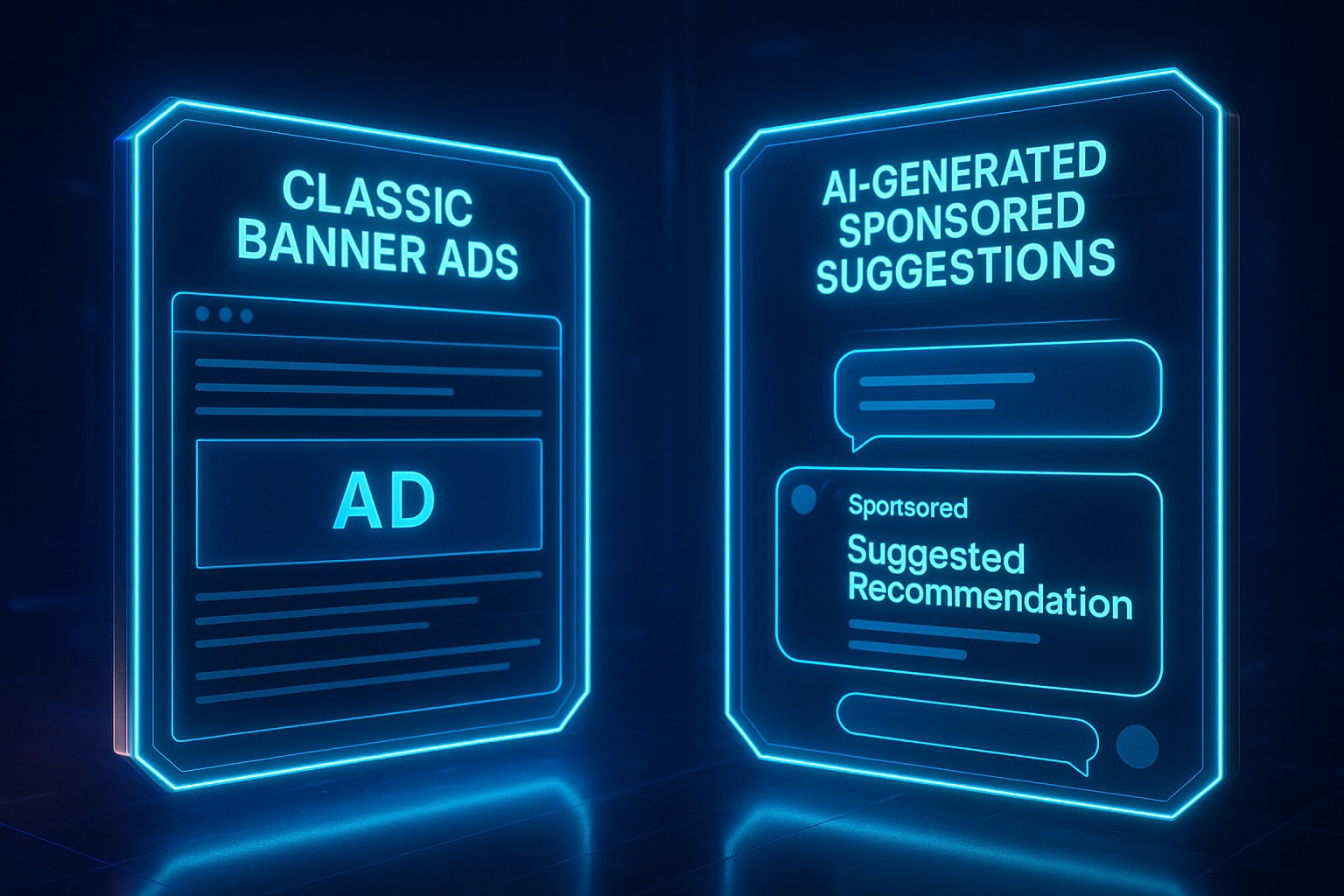
AI Ad Gateway: A Proof-of-Concept for Injecting Sponsored Content into LLM Responses
Due to the high cost of training language models and serving AI Assistants, advertisements might be joining the AI party. There are many ways ads can be served and adapted for AI assistants. One of them is injecting sponsored material into AI responses via the AI Ad Gateway, a specialized gateway that handles ad injection without affecting other components. We show a proof-of-concept implementation.
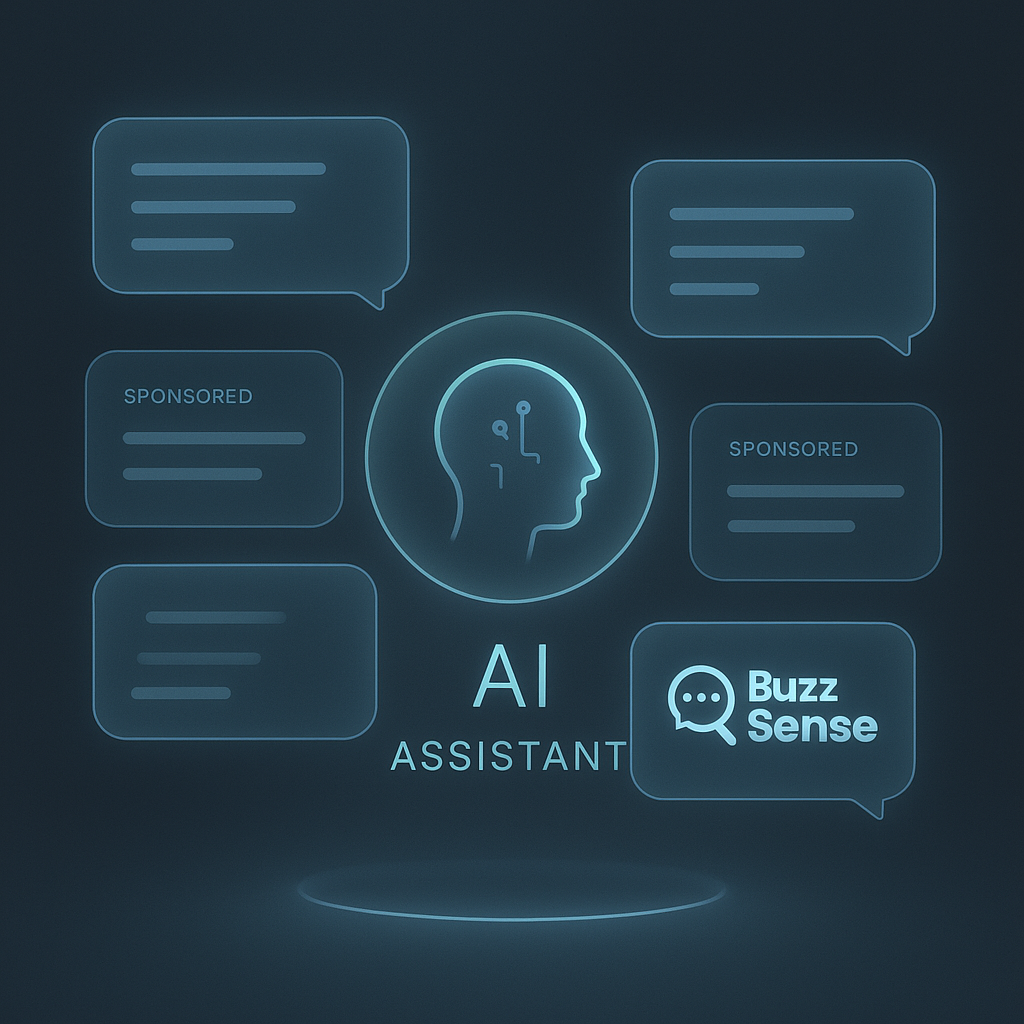
AI Ad Gateway to integrate advertisements in AI assistants and agents.
Building and training language models is very expensive. Many language model providers are still burning cash, as user subscriptions are not enough to cover expenses. That is why one possible way language model providers (AI assistants) might choose to go is through the advertising route. This can be achieved via AI Ad Gateway. In this post, we discuss different ways to advertise in AI assistants and agents.
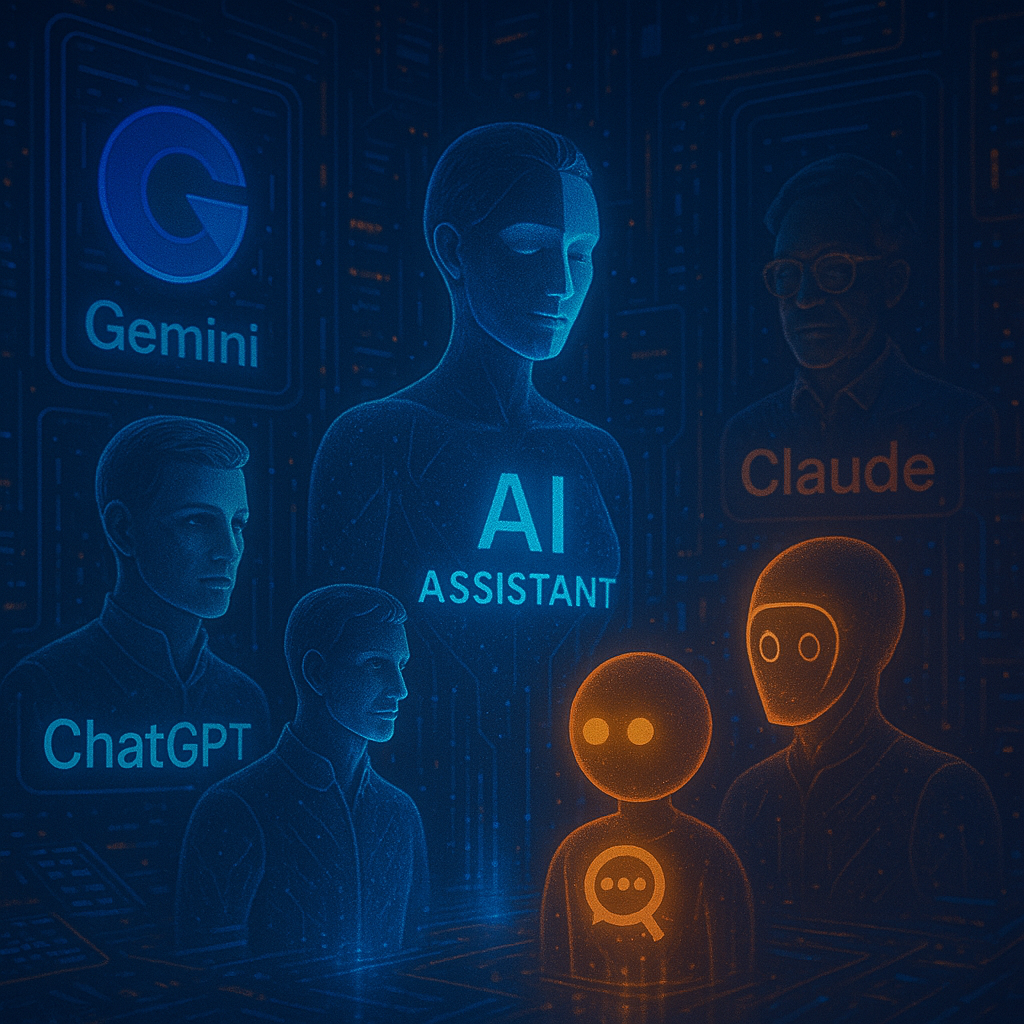
Advertising on AI Assistants is Coming, but without its Ethical Concerns.
It is speculated that advertisments are coming for AI assistants and agents. But are they coming dressed in the classic way of banners and ad spaces? Or are they coming integrated into prompt responses? In this article, we talk about the classic ads, which we refer to as explicit, as users know that these are ads. The second category of ads is when the users are not aware that they are consuming ads; we call them implicit ads. Obviously, they do not come without their ethical concerns. We discuss those concerns and suggest ways to mitigate them.
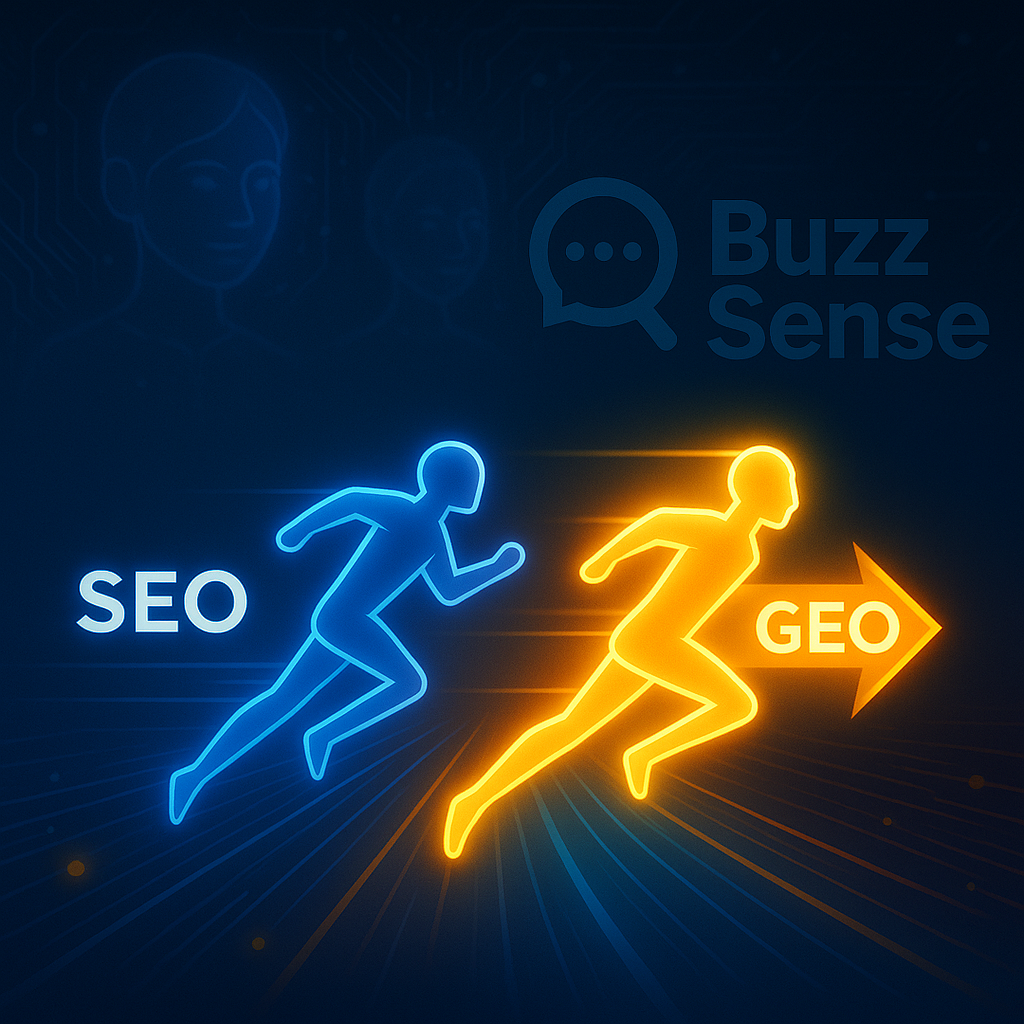
GEO: The New SEO in the Age of AI Assistants
Do your brands come up when people ask ChatGPT or Gemini for products or services like yours? Is your brand getting ignored? This new field, called Generative Engine Optimization (GEO), focuses on optimizing your content so it's suggested by different AI Assistants. We cover what GEO is and what to expect from GEO platforms like buzzsense.ai. We present different use cases and an example of tracking visibility on GEO platforms.
Taking BuzzSense.ai from Alpha to Beta: One Bug at a Time
In this post, I discuss the progression of buzzsense.ai from the alpha version to the beta version, along with the challenges faced along the way. Two major bugs related to competitor visibility have been discovered and reported. The first is a mathematical bug related to the way the visibility is computed, and the second one is related to the optimization routine. Finally, I address the hallucinations of the different AI assistants and communicate the impact of these challenges in the beta version.

From Idea to Alpha: Building BuzzSense.ai as a Solo Founder
This is the first post in a series documenting my journey of building buzzsense.ai. Today, people use ChatGPT or Gemini to search for information, partially replacing search engines like Google and Bing. The problem is that businesses don't know how their brands are doing in these AI systems. That is why I am building buzzsense.ai, a platform to help businesses track and improve their visibility in AI chatbots and assistants. I am still in the early stages, and this week I finished the alpha version of the platform. In this post, I share the journey so far with the lessons I've learned along the way.
DeepSeek vs ChatGPT 1 day study
Report my experience of using both DeepSeek and ChatGPT for explaining statistical concepts over the course of a day. I tested both models by asking for clarifications on various topics and engaging in discussions using identical prompts. While their responses were similar, I observed key differences in speed, conciseness, and feedback style. This post highlights those distinctions and explores which model might be better suited for different learning preferences.

AI Can Reject YOU!
AI can literally reject you and there is nothing that you can do about it. And yes, it is going to affect you more than you think.