
Why AI Brand Visibility Is Becoming a New Marketing Metric
AI assistants are changing how people discover brands. For years, marketers focused on traditional search visibility. If your website ranked well in search engines, your brand had a strong chance of being discovered. But that discovery process is now shifting. Millions of people ask AI assistants the same questions they once typed into Google. They ask which tools to use, which services are trustworthy, and which brands solve a particular problem best. Instead of scanning a list of links, they receive a direct answer. Those answers increasingly shape what people research, compare, and buy. And this shift introduces a new challenge for marketing teams. If AI assistants recommend brands directly, companies need to understand whether their brand appears in those answers and how often competitors show up instead.
AI assistants are changing how people discover brands. For years, marketers focused on traditional search visibility. If your website ranked well in search engines, your brand had a strong chance of being discovered. But that discovery process is now shifting.
Millions of people ask AI assistants the same questions they once typed into Google. They ask which tools to use, which services are trustworthy, and which brands solve a particular problem best. Instead of scanning a list of links, they receive a direct answer.
Those answers increasingly shape what people research, compare, and buy. And this shift introduces a new challenge for marketing teams. If AI assistants recommend brands directly, companies need to understand whether their brand appears in those answers and how often competitors show up instead.
The Rise of AI Brand Visibility
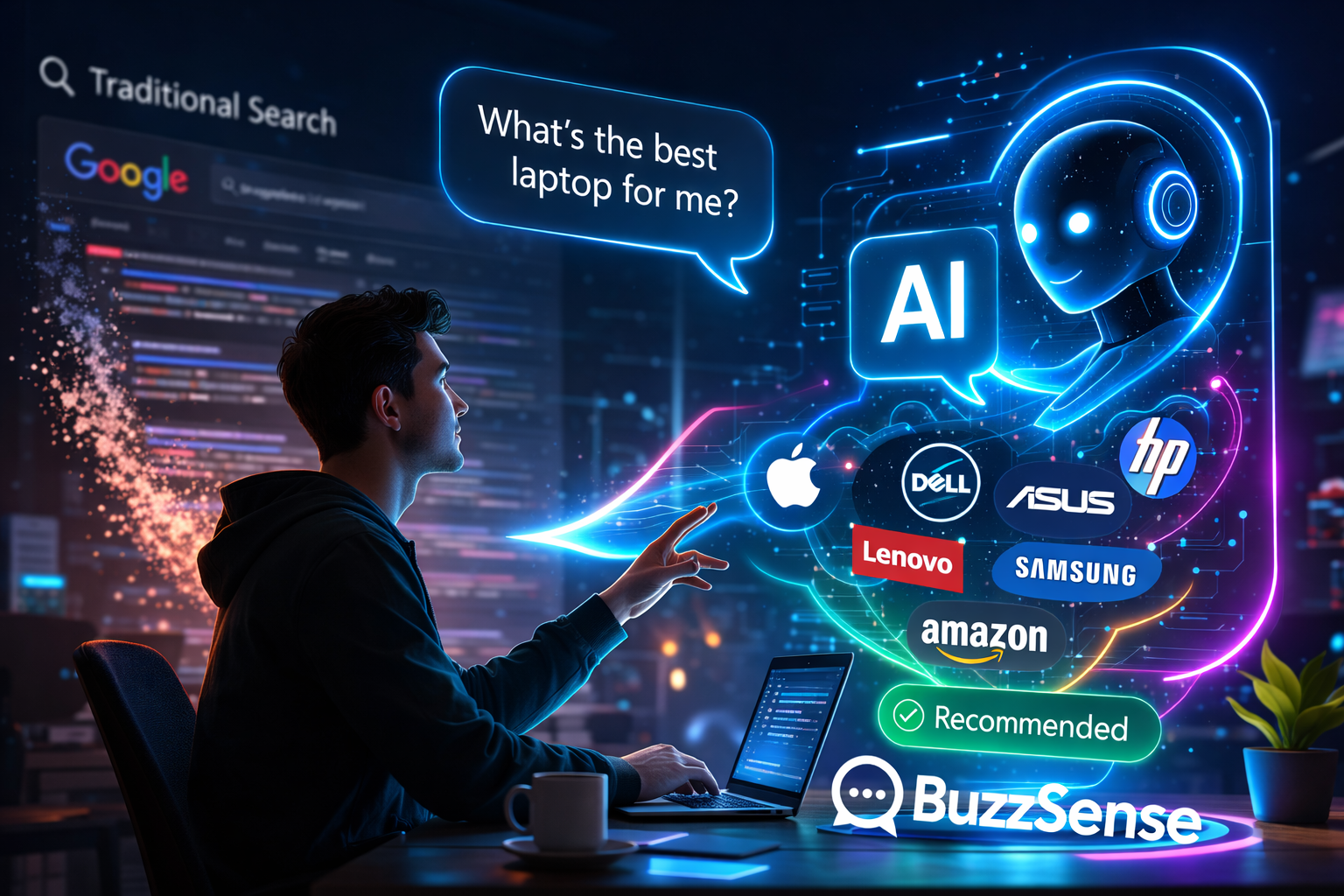
When AI assistants choose brands, they don’t do so randomly. Their responses reflect patterns from all over the web, from articles to directories, product pages, and other sources it’s trained to consider reliable.
Brands that appear consistently across trusted sources are more likely to be referenced by AI when generating answers. The good news is that brands now have a new form of visibility. The catch? Marketers need to measure it.
In the past, teams would ask where their website ranks in search results. But now the question is different: How often does our brand appear when AI assistants answer questions in our category? This is what teams worldwide are increasingly describing as AI brand visibility or AI share of voice.
Why Marketers Need AI Brand Monitoring

Ranking well in traditional search engines does not automatically mean the same for AI platforms, which can recommend completely different companies depending on what sources they’re referencing from. The only way to reveal these insights is through measurement. Without it, teams have no visibility into how AI assistants represent their brand. But armed with these insights, marketers can understand how AI systems interpret authority within their industry, alongside which competitors appear most frequently, and what sources are influencing those answers.
Turning AI Answers Into Actionable Data
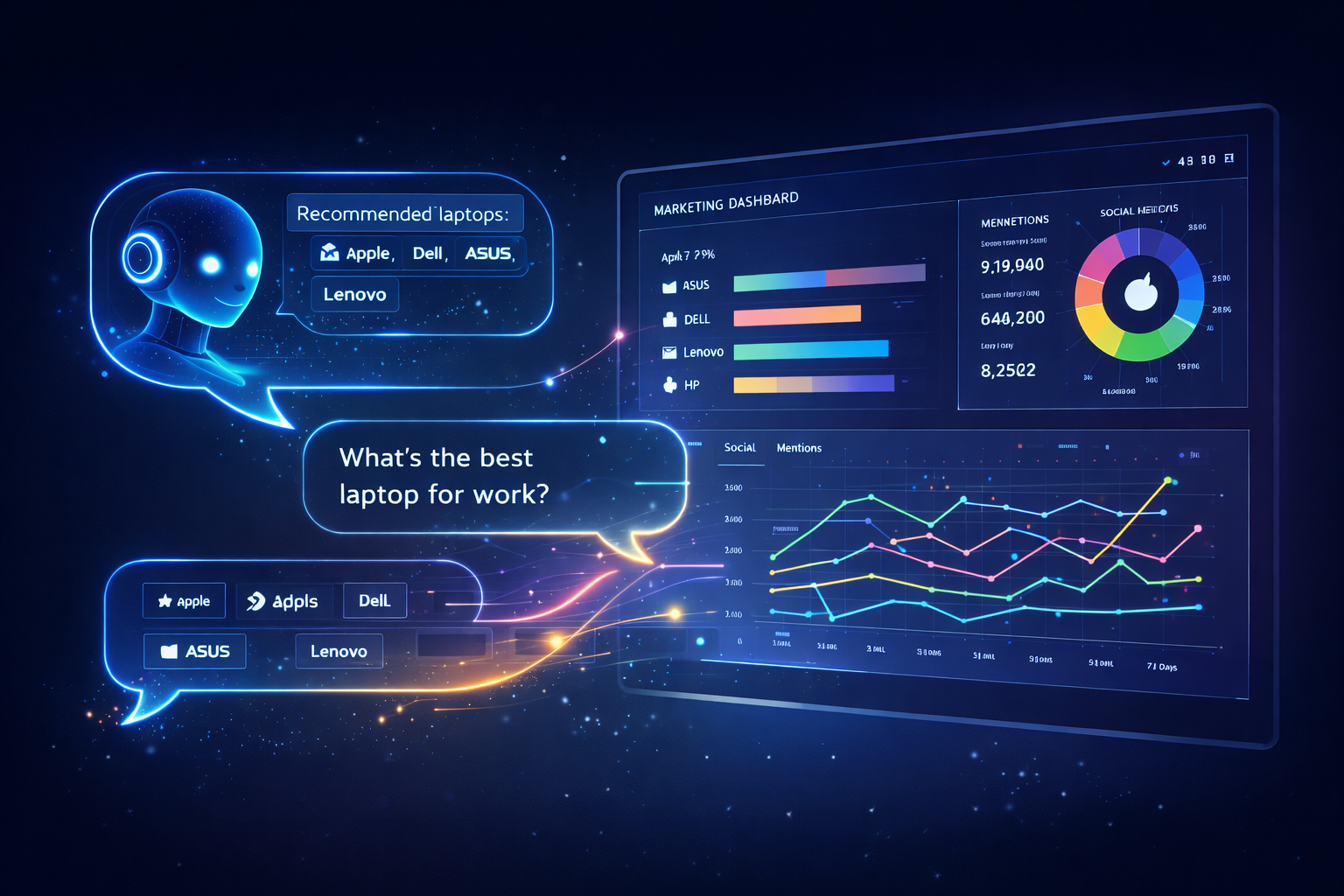
Manual AI brand monitoring is difficult. Responses change constantly and results can vary across different AI models. That’s why AI brand intelligence platforms like BuzzSense exist, helping marketing and PR teams track how often their brand appears in AI-generated answers. They can also compare visibility against competitors and identify what sources are feeding responses.
As AI discovery inevitably continues to grow, AI answers will become an essential part of every brand’s digital strategy. With tools like BuzzSense, there’s no need to guess how AI assistants are representing brands. Teams can measure AI share of voice directly.