
5 Myths about showing in ChatGPT search results
As people use ChatGPT to search for brands and products, many companies are trying to show up in ChatGPT results. We address the five most common myths, which have been debunked by recent research from Ahrefs. We explain those myths, elaborate on what the data shows, and finally derive recommendations. The takeaway is simple: publish valuable content on your blog, self-promote, and keep it up to date.
author: Ahmad Alobaid
We witnessed a surge in misleading claims about brands’ visibility in ChatGPT and other AI assistants (Gemini, Claude).
We had a client who purchased a 30K domain on top of their own because they believed that .com domains rank higher than others in Google search results. Myths caused companies to waste resources and money on useless mechanisms, techniques, and purchases.
Here we list the top 5 myths and explain the reality behind them.
Myth #1: You have to be cited by authoritative websites to show in AI search results.
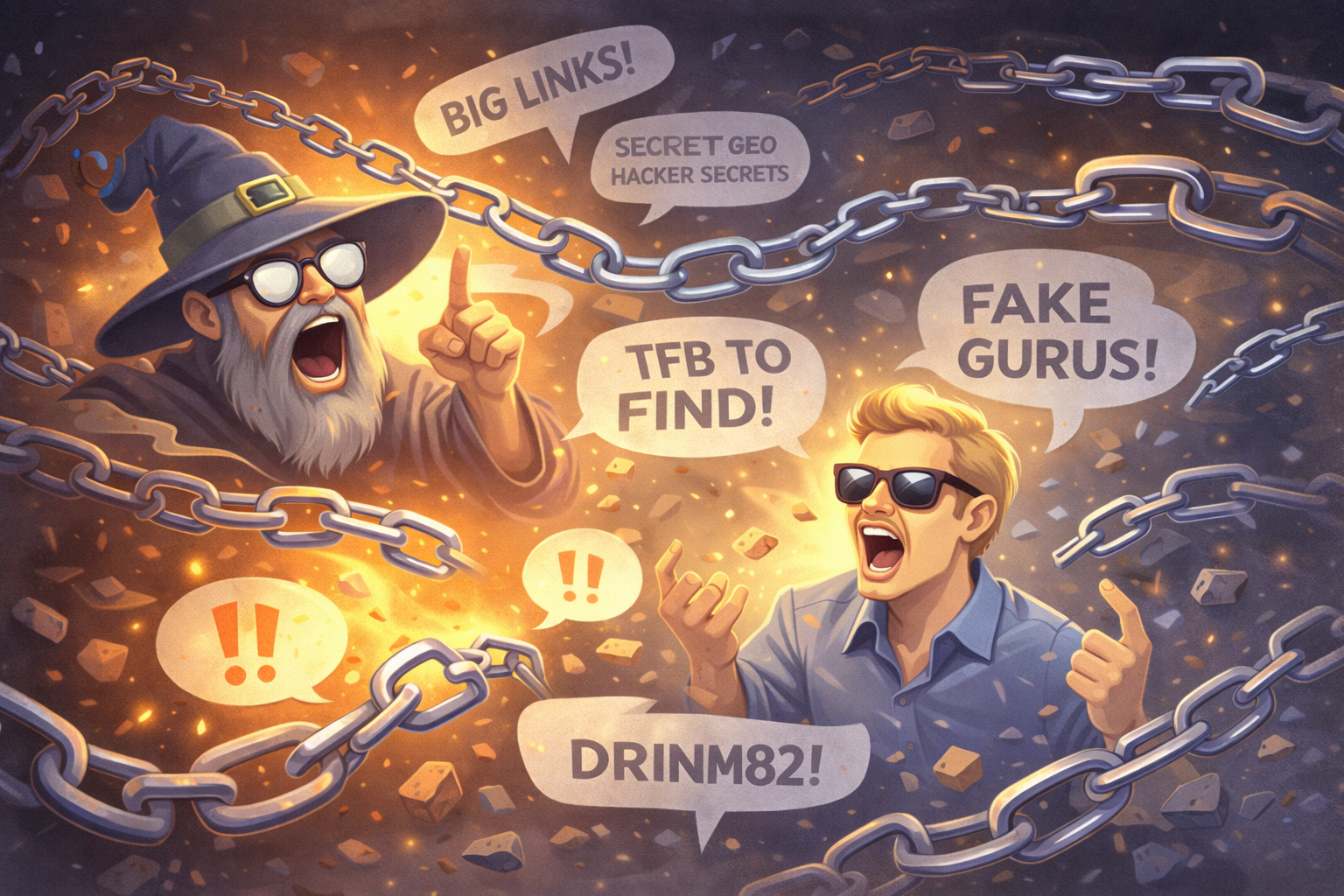
This is one of the most common recommendations you see on social media by digital marketing and search engine optimization experts. Being cited by authoritative websites can indeed boost your ranking in search engines and, inherently, the visibility in AI search results. This puts a lot of pressure on new startups and founders who end up buying backlinks or paying high-authority websites to talk about their brand.
The good news here is that this doesn’t have to be the case. According to the research done by Ahrefs, 35% of the mentions came from low-authority websites, some of which are even questionable.
Myth #2: Self-promotion does not affect your brand visibility in AI search.
By self-promotion, we mean publishing self-hosted content about your brand (e.g., listicles). Publishing your own ranking on your website and promoting it might increase your brand’s visibility in AI search results. In a recent study, cited resources have been examined, and it turned out that more than 30% were self-promotional blog lists, which are posts composed of lists or recommendations by the brand itself. This isn’t causality, but rather an observed correlation from the results of the study.
Myth #3: Blogs are irrelevant to AI search.
You might’ve come across the “blogs are dead” posts on social media. Recent research disproves this claim. It shows that blogs are the most-cited type in ChatGPT results (sample), occupying more than 40% of the total cited sources.
Myth #4: Listicles have no effect on brand visibility in AI search.
Listicles are list articles like “top 5 X” and “10 Ways to Y”. Some people, rightfully, mistake them for being useless, due to some SEO guides that talk about how search engines only care about the content rather than the structure. While Google also mentions this in their SEO guide, that doesn’t mean listicles are just a structure. The content itself changes, and the utility of it also changes, affecting how it is perceived by people, and hence Google (which cares about how people view and interact with the content).
Research finds a correlation between rank in listicles and visibility in AI search results: products that rank high in listicles have higher visibility in AI search results.
Myth #5: AI search results are dominated by older content.
The reasoning behind this is quite logical. As older content has more time to accrue backlinks and gain authority, it would rank higher in search engine results and hence gain higher visibility.
However, a recent study found that 79% of cited sources in ChatGPT were published this year. Furthermore, 26% were posted in the past two months. This indicates that fresh content carries more weight than older content, contradicting the popular belief.
Limitations
This work is derived from an article by Glen Allsopp and Ryan Law. We omitted many details to make this post short. We encourage readers to read the article and its supplemental document.
It is important to note that the study was on three domains: software, products, and digital marketing agencies (among others). So, different patterns might be observed in other domains. Also, some research suggests that wordings can alter the language model responses; however, this is yet to be explored in Generative AI Engine Optimization.
Recommendations

Based on the research, the following can help increase the visibility in ChatGPT and other AI assistants:
- Self-prompt. Do not be shy; self-promote your products and services on your website.
- Post in your blog. Offer value to readers, and it would increase your website ranking in Google search results and in AI assistants like ChatGPT.
- Publish listicles and rank your brand high. It is almost impossible for a product to rank the highest in all dimensions. So choose the one that your brand specializes in and performs best. Being honest and telling others that your product lacks in other dimensions can also communicate authenticity and reliability. But make sure not to downsell your products or services.
- Keep your content fresh. Consider updating your old posts or creating new versions, taking into account the latest developments in your area and keeping them up to date.
Curious whether your brand is showing up in ChatGPT results? Want to discover which competitors are appearing instead? Buzzsense tracks your brand’s visibility in AI assistants over time. Visit www.buzzsense.ai