
Top 5 SEO and GEO Misconceptions
With the increased use of GenAI and AI assistants like ChatGPT and Gemini, many companies and startups are looking to show in AI assistants’ search results. Despite the increase in guides on how to rank high and show in search results (SEO and GEO), many misconceptions are circulating on the Web. We show the top 5 misconceptions: 1) AI assistants' results are offline; 2) GEO is SEO; 3) You need months to show in search results; 4) E-E-A-T is used to rank your content; 5) Duplicate content gets a penalty.
What and Why Generative Engine Optimization?

It is about showing in AI search results like ChatGPT, Gemini, Claude, … Imagine a brand specializing in running shoes that wants to know whether AI assistants are recommending its shoes to people searching for running shoes. More specifically, they would like to know the frequency with which their shoes are shown in AI search results.
But as AI search results change over time, there is a need to track those metrics consistently. Brands also run marketing campaigns and would like to see how these campaigns affect their visibility in AI search results. This can be achieved using AI search analytics tools, such as BuzzSense.
For this to happen, they need to optimize their content for AI assistants (under the GenAI umbrella), which is why it’s called Generative AI Engine Optimization.
Despite the abundance of guides on GEO to rank high in search results (e.g., Google), many are filled with false claims and questionable practices that can negatively affect their rankings.
Misconception 1: GEO relies solely on LLM-trained data
AI assistants sit on top of Large Language Models, LLMs. Even though LLMs themselves do not have the capability to search the Web directly, AI assistance can actually search the Web via RAG.
What is RAG
RAG (Retrieval-Augmented Generation) is a way to stuff in content alongside the request so the LLM can use the information it was trained on and the new content to answer the question.
Once the AI assistant receives the request, it searches the web for pages related to it. These (Web) pages and the initial prompt are sent to the language model. Be aware of related security matters related to that, like prompt injections, SQL injection, and jailbreaks (e.g., Echo Chamber, Crescendo, …).
Misconception 2: GEO is just SEO
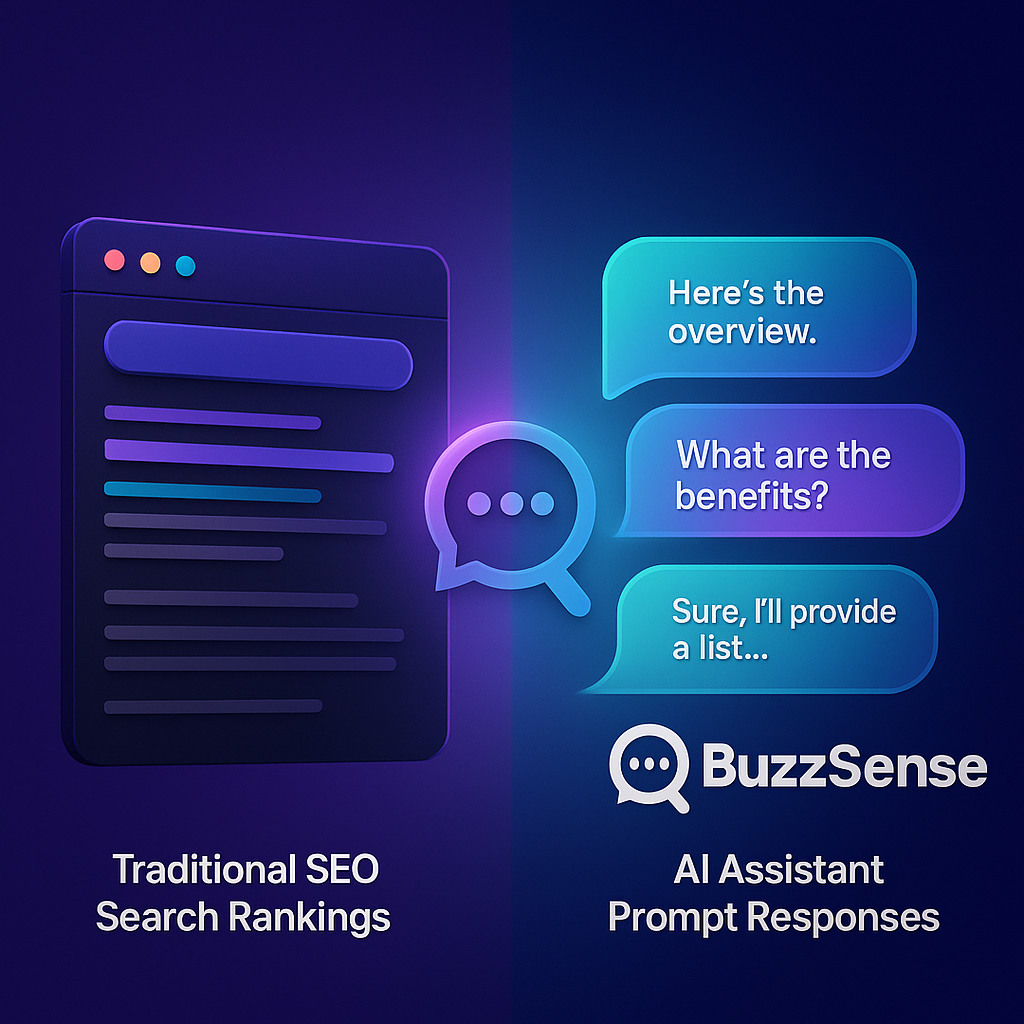
SEO stands for Search Engine Optimization. It is about practices to potentially improve rankings in search engine results, such as Google, Bing, Yandex, and DuckDuckGo.
The truth is that SEO is related to GEO. When an AI assistant decides to look for information on the internet and uses RAG, sites that do not rank high in search results are less likely to be passed to the language model (via RAG). So, SEO does help brands show up and be relevant in AI Search.
But the main difference is that GEO operates at the prompt level and GEO platforms measure visibility, while SEO operates at the rank level (per keyword). There are many marketing articles about fan-outs and routings, but we leave it for another day.
Misconception 3: You need months to appear in results
According to the Google SEO guide, it can take as little as a few hours for indexing to occur. Search engines, like Google, store web pages’ metadata so they can return results to users quickly, a process called indexing. If a page isn’t indexed by Google, it won’t appear in search results.
Different search engines offer different guidelines for ranking high, but none guarantee that a page will rank high, even if all their recommendations are followed.
However, they are more likely to show if these recommendations are followed. There is also a correlation between a web page’s utility and its ranking. So web pages that people find useful are more likely to rank than others, which are just a bunch of words (e.g., keyword stuffing).
Misconception 4: E-E-A-T is used to rank your content
Not at all. E-E-A-T is short for experience, expertise, authoritativeness, and trustworthiness. It is helpful to improve the content following E-E-A-T, but it is not a ranking factor. Google mainly ranks content that is more likely to be useful for the readers.
Misconception 5: Duplicate content gets a penalty

You probably, like me, have heard it before: some people in SEO told me not to cross-post content across multiple pages on the same website because Google would penalize your content/website. This turned out to be false. Google would pick one and treat it as the canonical version (the main one to index).
This doesn’t mean you should do it. It can be a bad experience, as users may wonder which page is correct and whether there is a difference between the two. It also won’t help you to show higher in research results.
The recommended way is to redirect one of the links to the main page (the canonical one). If that is not feasible for some reason, users can also specify the canonical URL using rel="canonical" .
Your competitors are already showing up in AI search. Make sure you are not falling behind and track your GEO performance with BuzzSense.